
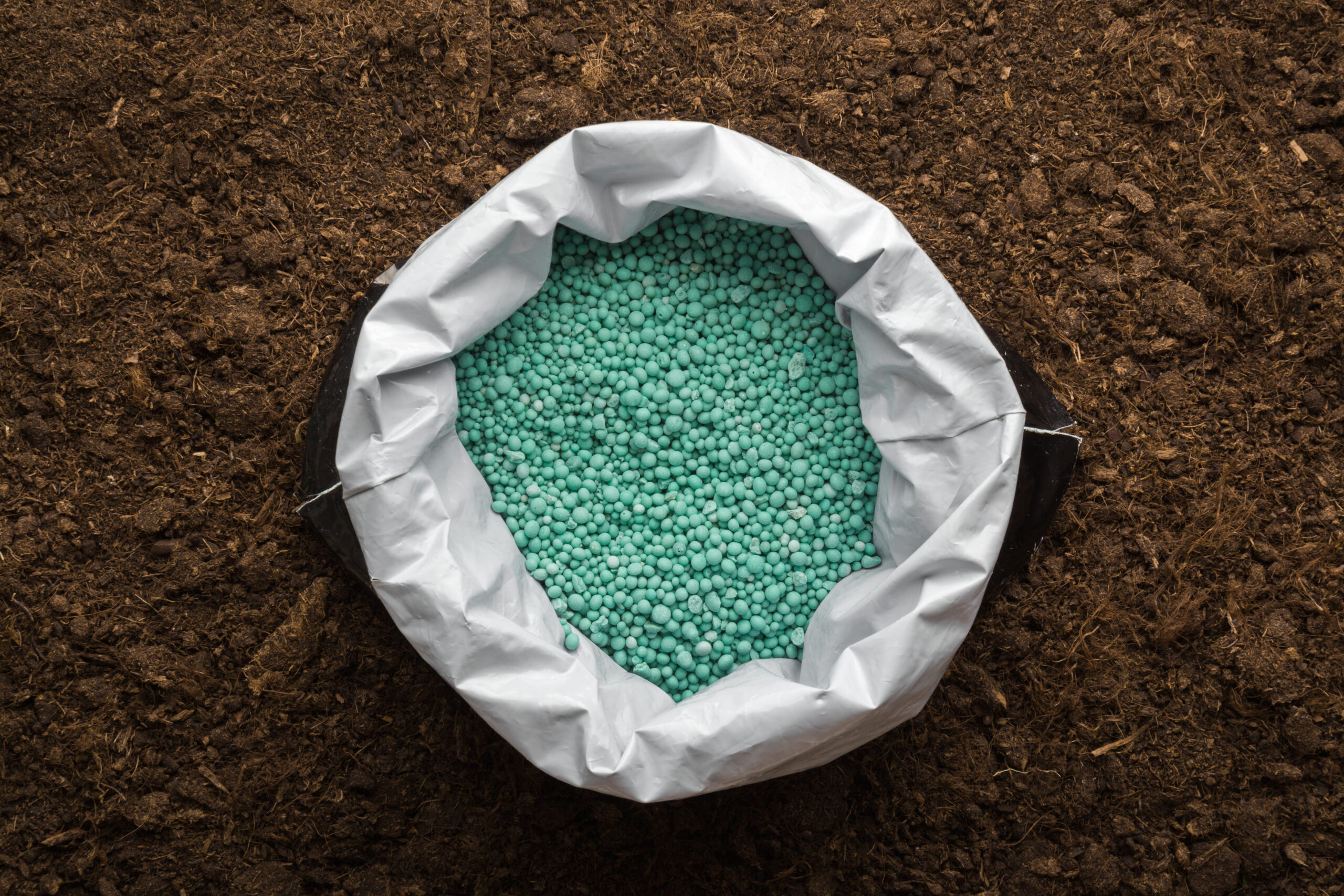
Does Granular Fertilizer Expire?
Technically, no — but “doesn’t expire” and “still good” aren’t the same thing. How long your fertilizer stays usable depends on what’s in it, how it’s been stored, and what it looks like when you open the bag.
Most granular fertilizers don’t come with a use-by date, which leads a lot of people to assume the bag from two seasons ago is still fine. Often it is. But there are conditions that can meaningfully degrade performance — and a few that mean you should just throw it out.
The actual answer
Granular fertilizers are mineral salts, and mineral salts don’t break down the way food does. If you store them in a cool, dry, sealed container and nothing goes wrong, most synthetic fertilizers will deliver roughly the labeled nutrient content for many years — sometimes a decade or more. The nutrients themselves aren’t going anywhere.
What changes over time isn’t the chemistry. It’s the physical form. And that matters more than most people realize, because how a fertilizer spreads is just as important as what’s in it.
Why moisture is the real problem
Granular fertilizers are hygroscopic — they actively pull moisture out of the air. Leave a bag open in a humid environment (say, a South Florida shed in July) and the granules will start absorbing that moisture, clumping together, and eventually forming a solid mass. The nutrients are still in there, but you can no longer spread them evenly. A spreader calibrated for free-flowing granules applied to a clumped-up brick will over-apply in some spots and completely miss others — showing up as streaky color, hot spots, or patchy results that are hard to trace back to the cause.
If the product uses coated slow-release prills — the polymer or sulfur-coated granules common in premium blends — moisture and age can crack those coatings before the product ever reaches the soil. Once the coating is compromised, you’ve lost the controlled-release mechanism. The nutrients release faster than intended, which means a surge instead of the sustained feed the product was designed to deliver.
Synthetic and organic age differently
Synthetic fertilizers — ammonium sulfate, urea, NPK blends — are chemically stable and hold up well in storage. A properly sealed bag in a dry location can last many years without meaningful nutrient loss. Organic fertilizers are a different story. Bone meal, blood meal, kelp, and composted materials have biological activity that degrades over time. Kelp loses its biostimulant compounds. Bone meal can harden or go rancid. These products are generally best used within a year or two of purchase, and heat accelerates the process significantly.
How to store it properly
None of this requires much effort — it just requires not leaving bags open in a hot, humid shed. Keep fertilizer in its original sealed bag, or transfer to a weather-proof airtight container if the bag is damaged or partially used. Store it off concrete floors — concrete holds moisture and transfers it into anything sitting on top of it — and out of direct sunlight. Write the purchase date on the bag. It sounds obvious, and most people don’t do it. Do those things and a quality granular fertilizer will last 3–5 years at minimum, often much longer.
When to use it, and when to toss it
If you open a bag and the granules flow freely with no clumping, no smell, and no sign of moisture — you can use it. The nutrients are almost certainly intact. Lightly clumped product that breaks apart reasonably easily is usually still usable, but it won’t spread with the same consistency as fresh product, so watch for uneven results and calibrate your spreader accordingly.
Throw it out if it’s become a solid, unbreakable mass; if there’s visible mold or a sour smell (common in degraded organics); if it’s been directly exposed to flooding; or if the label is gone and you don’t actually know what’s in it. Unlabeled fertilizer is a guessing game you don’t want to play on your lawn.
Will it harm your lawn?
Degraded or clumped fertilizer generally won’t kill grass — but it’s likely to produce inconsistent results. It won’t be dangerous so much as wasteful and hard to diagnose. If you’re already investing in a quality product, it’s worth storing it properly so you’re not gambling on whether this bag is still any good.
The short version
Granular fertilizer doesn’t expire — it degrades, and only if you let it. Keep it sealed and dry, and most synthetic products will still be fully effective years from now. Organic products are less forgiving; use them within a season or two. Before reaching for an old bag, open it and check: if it flows freely and smells normal, you’re fine. If it’s a solid brick, start fresh.