
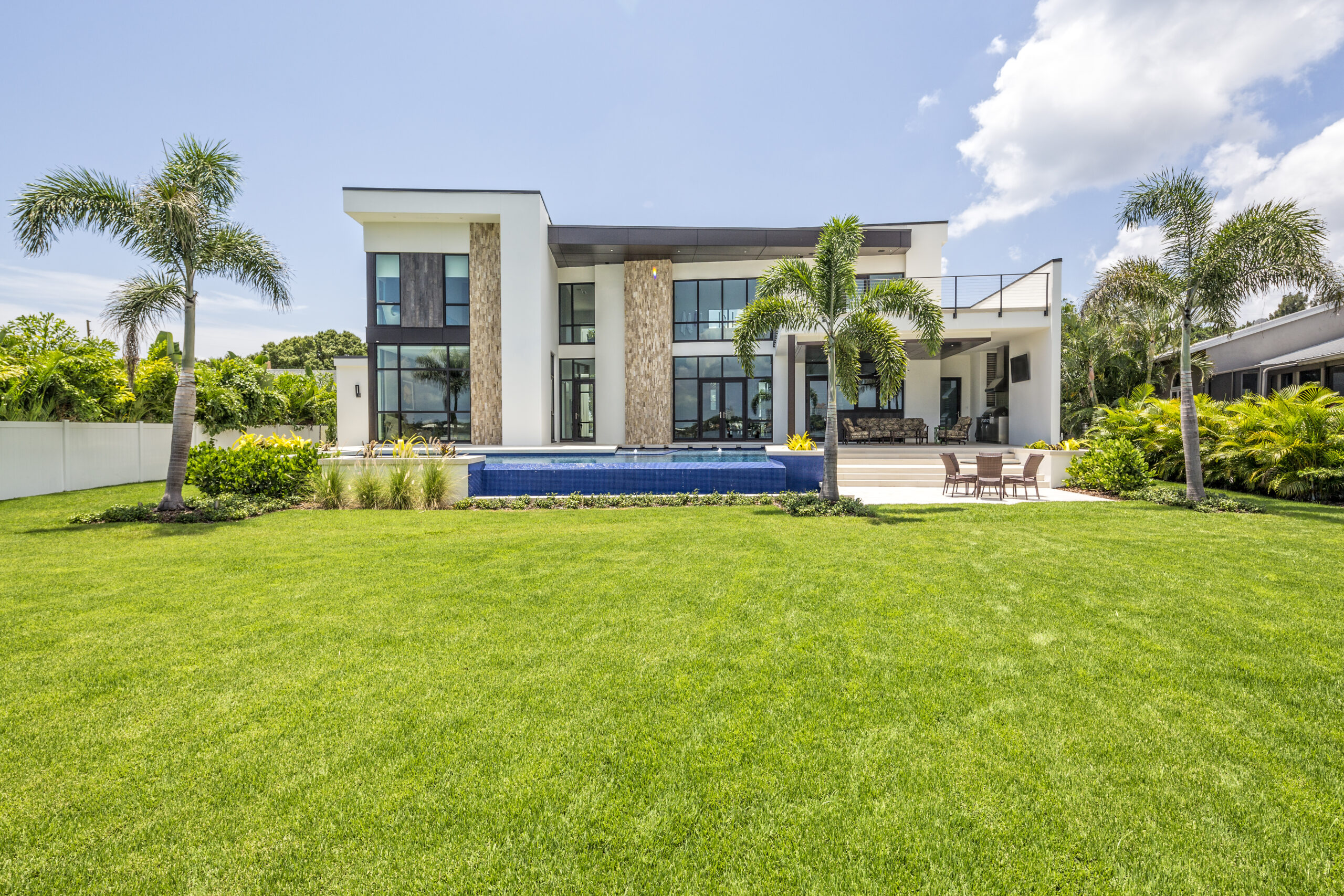
Your lawn is where your family lives. What goes into it matters.
What you put on the ground doesn’t stay on the ground. It moves into the soil, the water, the air your family breathes. So we’re careful about what we use — no nitrates, no toxic pesticides or herbicides, and nothing we can’t explain to you in plain language.
Most lawn programs aren’t designed around your family’s health. Ours is.
Most lawn companies apply the same chemicals on the same schedule, year after year, regardless of what your soil actually needs. It keeps the grass looking okay. It keeps you on a recurring contract. But some of what gets sprayed sits in the soil your kids and pets are in contact with every day — and most companies don’t talk about that.
We do things differently. We look at your soil before anything goes down. We use only inputs we’re comfortable explaining to you in plain language — no nitrates, no toxic pesticides or herbicides, no micronutrients sourced from industrial byproducts. And we’ll tell you exactly what we’re applying and why, every single visit.
Clean inputs, visible results, and safe for everyone that calls it home.

Five things we’d ask if we were hiring a lawn company.
Every lawn program uses nitrogen — that’s not the question. The question is what form. Most conventional programs rely on nitrate-based nitrogen (calcium nitrate, potassium nitrate, sodium nitrate) because it’s cheap and fast-acting. The problem: it moves quickly through soil and into groundwater. Research has connected long-term nitrate exposure to real health concerns, and in South Florida’s porous limestone geology, what goes on your lawn doesn’t stay there.
We use only non-nitrate nitrogen: slower-releasing forms like ammonium sulfate, monoammonium phosphate, and polymer- or sulfur-coated controlled-release urea. They feed your grass more efficiently, stay in the root zone longer, and don’t generate the nitrate flush that conventional fertilizers do. It’s a small difference on paper. It’s a meaningful one in practice.
No. We don’t use toxic pesticides, herbicides or insecticides — not because they don’t work, but because the tradeoffs aren’t worth it when there are natural alternatives that get the job done without the residue or the re-entry warnings. Everything we use has a documented mode of action backed by independent research. Nothing is applied based on unverified claims.
- Neem oil (azadirachtin)Disrupts the lifecycle of common pests like aphids, whiteflies, and spider mites — without harming beneficial pollinators when applied correctly.
- Bacillus thuringiensis (Bt)A naturally occurring soil bacterium effective against caterpillars and armyworms. No toxicity to mammals, birds, or bees.
- Beneficial nematodes (Steinernema & Heterorhabditis spp.)Biologically control soil-dwelling grubs and armyworm larvae in the root zone — where they actually live.
- Insecticidal soapControls soft-bodied insects through direct contact with no residual soil impact after drying.
- Dense, healthy turfThe truth is, the most effective weed suppression is a lawn that’s too thick for weeds to get a foothold. That’s what our soil programs are built toward.
Here’s something the industry doesn’t talk about: inexpensive fertilizers often source micronutrients like iron, manganese, and zinc from industrial byproducts and mining waste. Those sources can carry real concentrations of heavy metals — arsenic, lead, cadmium, mercury — as contaminants. Applied repeatedly, they accumulate in the soil your children and pets play in.
We use only food- and pharmaceutical-grade micronutrient sources, primarily in chelated form (EDTA, DTPA, or amino acid chelates). Every batch is independently tested for heavy metal content, and we can show you the results. Chelation also improves uptake efficiency, which means we apply less to achieve the same result — and your soil stays cleaner over time rather than accumulating trace contaminants from programs that cut corners on sourcing.
South Florida’s ecosystem is genuinely fragile, and water moves fast through the limestone geology here. What gets applied to lawns doesn’t stay there — it percolates into shallow aquifers and washes into canals, lakes, and coastal waterways. That matters to us because we live here too. Our slow-release fertilizers are designed specifically to prevent the nutrient flush that conventional programs produce after every rain or irrigation cycle.
- Up to 60% less groundwater leachingPolymer or sulfur coatings protect nitrogen from dissolving rapidly, keeping it in the root zone where it belongs instead of washing into the water table.
- Significantly less surface runoffBecause nutrients release gradually over weeks, there’s far less excess sitting on the soil surface ready to wash off during heavy storms.
- Lower greenhouse gas emissions (26–43% reduction)Controlled-release nitrogen has been shown in peer-reviewed research to significantly reduce both ammonia volatilization and nitrous oxide emissions — a greenhouse gas roughly 270 times more potent than CO₂ over a century.
Yes — and we can explain exactly why, rather than just asking you to take our word for it. No toxic pesticides means no residue on the grass, no post-application re-entry windows, no off-target drift to neighboring properties. Non-nitrate nitrogen means no elevated nitrate exposure through incidental skin contact or soil ingestion. Pharmaceutical-grade micronutrients mean no accumulation of arsenic, lead, or cadmium in the soil over time.
These aren’t marketing claims. They’re the natural result of making every input decision with your family in mind from the start. When a program is built around the right chemistry for the right reasons, safety for people, pets, and the broader environment follows as a matter of course — not as an afterthought we added to the brochure.
Whole-property care, held to a single standard
Florida soil is a different animal: alkaline pH, porous limestone, year-round humidity. Most programs don’t account for any of it. We start with a soil test on every property, then choose the inputs based on what we actually find: chelated micronutrients that stay available, slow-release nitrogen that doesn’t wash out, biological inputs that improve the soil itself. Real fixes, not recurring symptom management.
Soil-first turf programs that build something real underground.
Most lawn programs fertilize the blade. Ours feed the biology underneath it — improving soil structure, microbial activity, and nutrient retention so that your lawn actually gets healthier over time rather than more chemically dependent. The difference shows up in density and resilience, and in how much less intervention it needs each year.
- Organic-focused and hybrid fertilization options
- Humic acid, fulvic acid & sea kelp applications
- Soil analysis, amendments & conditioning
- Chemical-free weed and fungal management
- Seasonal calibration for South Florida turf varieties
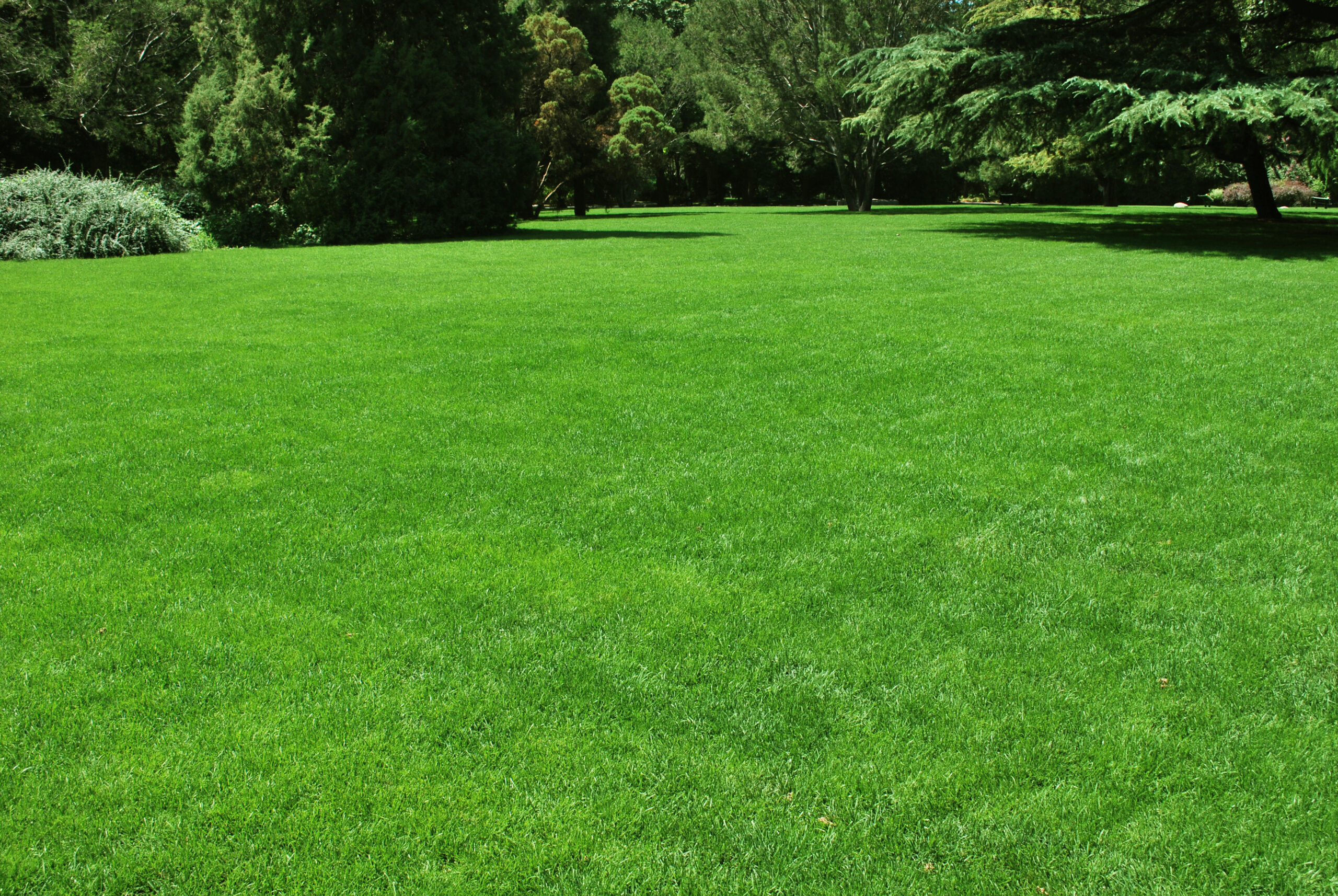
Precision palm nutrition that stays ahead of damage — not behind it.
Generic fertilizers don’t address what palms actually need, and the consequences aren’t visible until they’re already advanced. Our programs deliver the right micronutrients in chelated form at the right intervals, timed to when palms actually store and use them. Prevention, not reaction.
- Palm-specific fertilizer formulations (8-2-12 and similar)
- Micronutrient correction: manganese, magnesium, boron, iron
- Frond and trunk health monitoring
- Root-zone applications for maximum uptake
- Programs aligned to palm growth and storage cycles
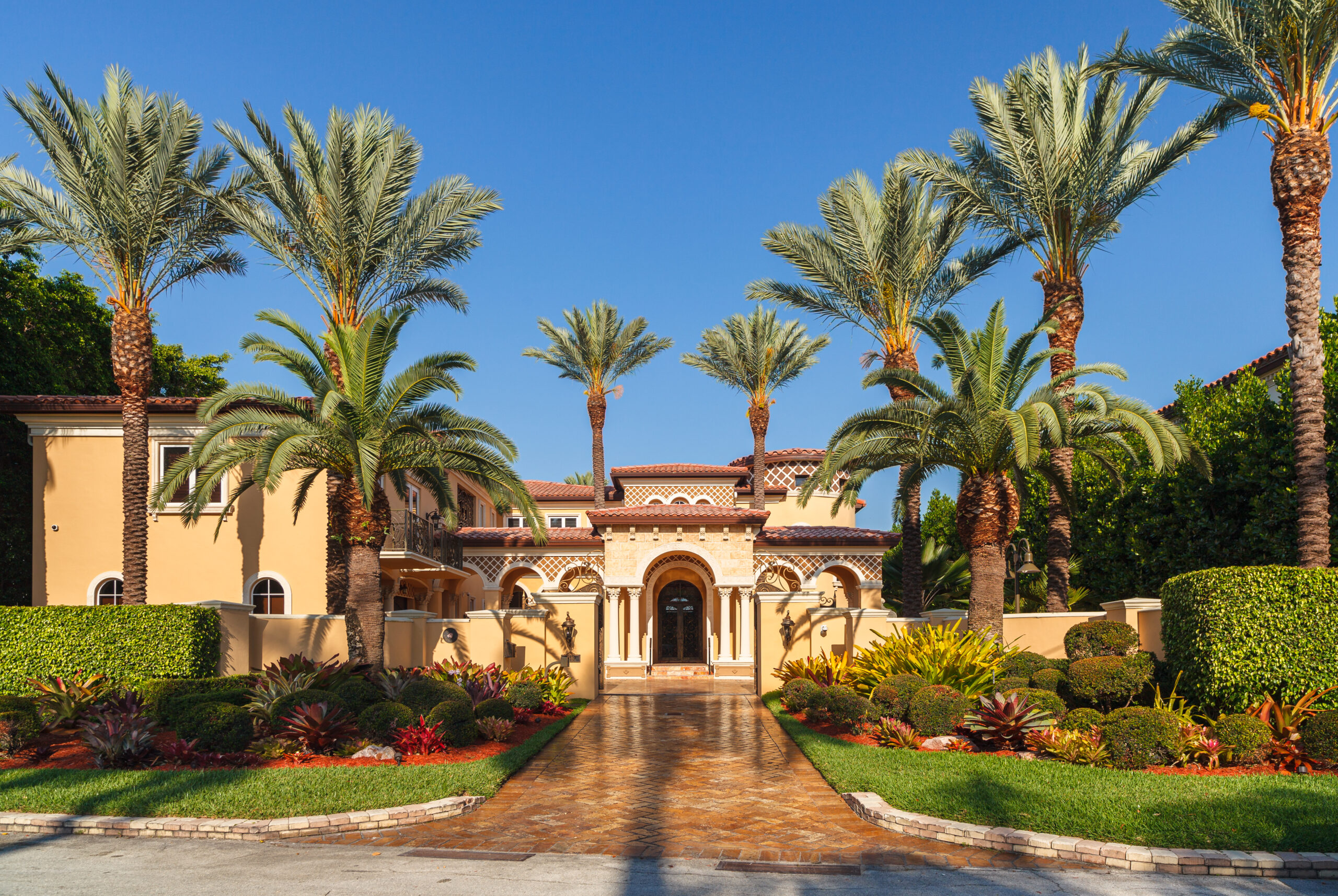
Root-zone work that keeps trees and shrubs structurally healthy from the ground up.
Tree and shrub decline in South Florida almost always starts underground — compacted soil, depleted biology, or nutrient imbalance that never gets addressed because it’s easier to treat the visible symptoms. We work from the root zone up. Canopy health improves as a consequence of fixing what’s actually wrong, not in spite of it.
- Deep-root fertilization for trees and large shrubs
- Organic matter and microbial inoculants
- Foliar feeding for ornamental shrubs
- Plant stress & canopy health monitoring
- Seasonal program calibration throughout the year
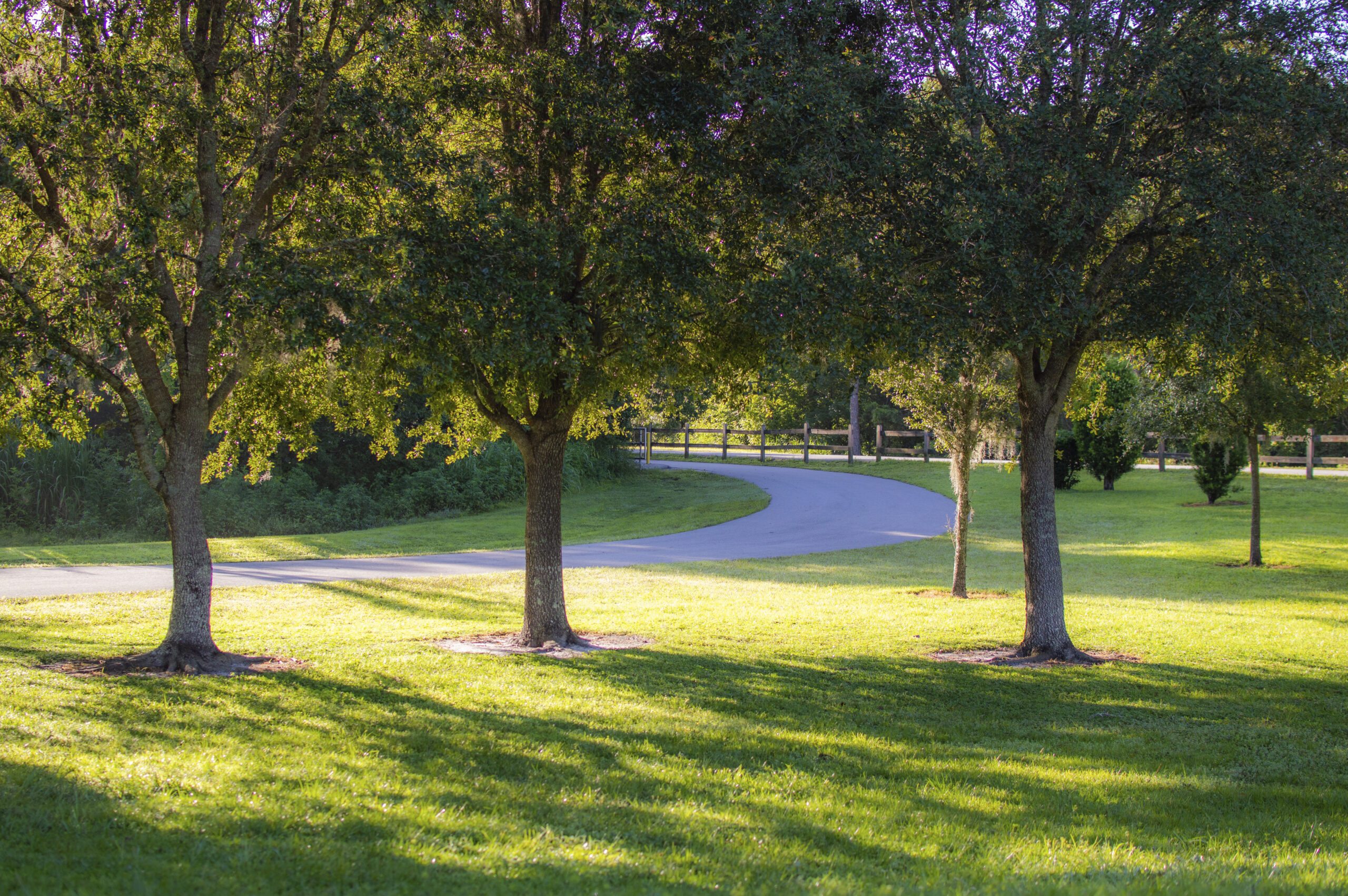
Programs for ornamentals and landscape beds that actually hold their results season to season.
South Florida’s heat, humidity, and sandy alkaline soil degrade ornamental beds faster than most programs account for. Ours build the underlying biology that keeps color, vigor, and bloom consistent — not by escalating inputs every season, but by improving the foundation so less intervention is needed over time.
- Slow-release and organic fertilizer programs
- Sea kelp & biostimulant applications
- Color enhancement and bloom support
- Seasonal rotations and bed health assessments
- Whole-property coordination with all service areas
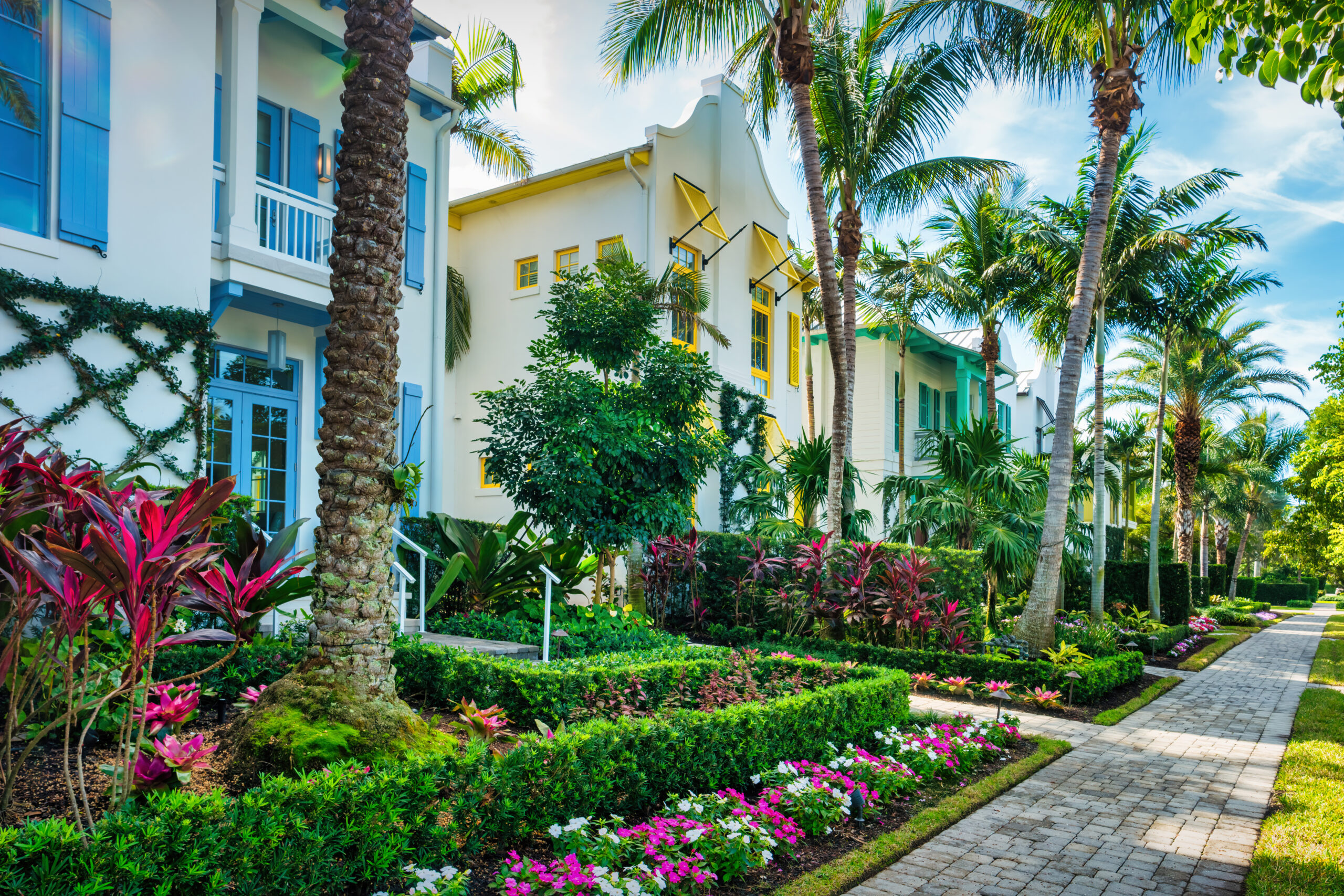
We look before we apply. Every time.
Most programs start with a product. Ours start with your soil. Before anything goes down, we understand what’s actually happening underneath your lawn — so we’re addressing the real problem, not just managing visible symptoms on a recurring schedule.
We evaluate your soil, your plants, and your site — before a single product is selected.
Soil health, nutrient balance, existing issues, and site-specific conditions are all assessed before we recommend anything. No assumptions. No products loaded in the truck in advance. No steps skipped because they’re inconvenient.
The right inputs for your specific soil — chosen after the diagnosis, not before it.
We apply biological inputs, soil amendments, and precisely calibrated nutrition to address what we actually found. The goal is structural improvement in the root zone — not a surface-level result that looks good for a few weeks and needs repeating indefinitely.
Ongoing calibration as your soil improves and Florida’s seasons shift.
We come back, check in, and adjust. Programs aren’t static — your soil changes, and what it needs changes with it. As soil health builds over time, you’ll notice something counterintuitive: your lawn starts getting easier to maintain, not harder.
The right level for your lawn.
A clean quarterly baseline. Active soil rebuilding every other month. Or continuous, layered care that combines both with liquid feeding in between. The inputs are clean at every level — what changes is how much of our work your property actually needs.
Four well-timed granular applications. Clean inputs, properly applied.
Four granular applications per year, timed to Florida’s primary growth windows. Each visit delivers seasonally calibrated nutrition across the whole property, drawing only from non-nitrate nitrogen sources and chelated, batch-tested micronutrients. The result is consistent nutrition without the rapid leaching and soil contamination associated with conventional programs. This is the right level for properties whose soil is already in reasonable condition and where the goal is clean, professional fertilization rather than active soil reconstruction.
- 4 granular fertilizer applications per year
- Whole-property coverage — turf, palms, trees, ornamentals
- Non-nitrate nitrogen sources only
- Pharmaceutical-grade, batch-tested micronutrients
- Florida blackout-period compliant formulations
Granular fertilization plus dedicated soil biology work, every other month.
Six visits a year, building on Foundational with a dedicated soil biology layer. Each visit adds humic acid, fulvic acid, sea kelp, and expanded chelated micronutrient support — inputs that work on the soil itself, not just the plant. Over two to three cycles, density and color improve, irrigation demand drops, and the soil’s water-holding capacity recovers. The right tier for properties where the soil has been depleted and needs to be actively rebuilt rather than maintained.
- Humic acid applications
- Fulvic acid applications
- Sea kelp & biostimulant treatments
- Expanded chelated micronutrient support
- Polymer-coated slow-release fertilizers where appropriate
- Blackout-compliant formulations; soil biology work continues year-round
- 6 visits per year on a bi-monthly cadence
Granular fertilization, soil biology, and liquid feeding — layered continuously.
Monthly visits alternate between the core granular and soil biology work and dedicated liquid foliar applications — humic and fulvic acid, sea kelp, biostimulants, and chelated micronutrients delivered directly to the foliage for near-immediate uptake. The two-track approach feeds the soil and the plant simultaneously while bypassing the high-pH lockout that limits iron and manganese availability in Florida soils. Twelve visits a year also means continuous monitoring and calibration as the property changes.
- 6 liquid foliar applications between core granular visits
- Liquid humic & fulvic acid treatments
- Liquid sea kelp & biostimulant sprays
- Liquid chelated micronutrient corrections — iron, manganese, magnesium
- Foliar feeding for rapid plant uptake
- Blackout-compliant regimen with year-round biostimulant & foliar continuity
- 12 visits per year on a monthly cadence
Fully Licensed & Insured
The difference is in what we don’t use.
No obligation. No hard sell. Just a thorough lawn and landscape evaluation and a straightforward conversation about what it actually needs — and what we’d do differently than whoever has it now.